This summer, the RESPECT Across Nebraska project continued to strengthen pathways for early childhood educators through community building, cross-institution collaboration and innovative approaches to recognizing educator expertise. Below are highlights from the past quarter.
In Memory of Dr. Debora Wisneski
 The RESPECT Across Nebraska team mourns the passing of our colleague and partner, Dr. Debora Wisneski, a valued University of Nebraska at Omaha partner whose leadership and dedication helped shape the RESPECT project from its earliest days. Debora was a passionate advocate for early childhood education and a generous collaborator whose impact will be felt for years to come. We are grateful for her many contributions and extend our heartfelt condolences to her family, friends, colleagues, and all who had the privilege of knowing her. Debora’s obituary and information about her celebration of life can be viewed here.

Nebraska AEYC Early Childhood Education Apprenticeship Program Year 1 Evaluation Report
This quarter, we are pleased to share the Year 1 Evaluation Report for the Nebraska AEYC Early Childhood Education Apprenticeship Program, documenting the implementation and early outcomes of the program’s first year. Developed through a partnership between Nebraska AEYC and RESPECT Across Nebraska, the evaluation examined the program using surveys, interviews, mentor documentation, and relationship assessments to better understand participant experiences, implementation, and early outcomes during their first year in the program.
The findings demonstrate strong progress across multiple domains. All ten apprentices completed their first year of the program while balancing full-time employment, college coursework, and significant personal responsibilities. Apprentices reported meaningful growth in professional knowledge, classroom practice, leadership, and confidence, while mentors observed increasing professionalism, reflective practice, and application of learning throughout the year. Coursework was consistently described as immediately relevant to practice, with participants implementing new instructional strategies, strengthening family engagement, and improving communication with colleagues and supervisors.
As one apprentice reflected, “I surprised myself… I got invited to the National Society of Leadership and Success… so that was just like, ‘Oh, I can do this. I should believe in myself.'”
One of the evaluation’s most significant findings was the central role of mentorship in apprentice success. Across interviews and surveys, apprentices consistently identified individualized mentoring as the program’s most valuable support. Mentors provided academic guidance, professional coaching, and personal encouragement while helping apprentices navigate the competing demands of work, school, and family. Relationship surveys further demonstrated high levels of trust, collaboration, and overall mentor effectiveness.
One apprentice shared, “I think having the mentor has helped tremendously because if I’ve had any questions or any doubts, I’m able to reach out to her… that has been tremendous help.”
Importantly, mentors also reported professional growth through the experience, strengthening their own leadership, coaching, and reflective practice.
The evaluation also underscores the importance of comprehensive program supports in reducing barriers to degree attainment. Participants consistently identified financial assistance through T.E.A.C.H. scholarships and stipends, flexible course delivery, responsive program staff, and employer support as essential to their ability to persist in higher education.
While the report identifies opportunities to strengthen mentor onboarding, communication practices, and structured reflection in Year 2, the overall findings provide encouraging evidence that the apprenticeship model is meeting its intended goals and strengthening Nebraska’s early childhood workforce.
The year 1 evaluation report establishes an important baseline for the continued study of the apprenticeship model as the cohort progresses through the program. Future evaluation efforts will expand to include employer perspectives, longitudinal analyses of apprentice outcomes, and continued examination of workforce development and retention. Together, these findings provide valuable evidence for funders, partners, and policymakers seeking effective strategies to strengthen the early childhood education workforce and expand access to high-quality degree pathways for practicing educators. To explore the full findings and the year 1 evaluation report use the link below.
RESPECT Research Highlight: Community Voices Informing New Pathways in Early Childhood Education
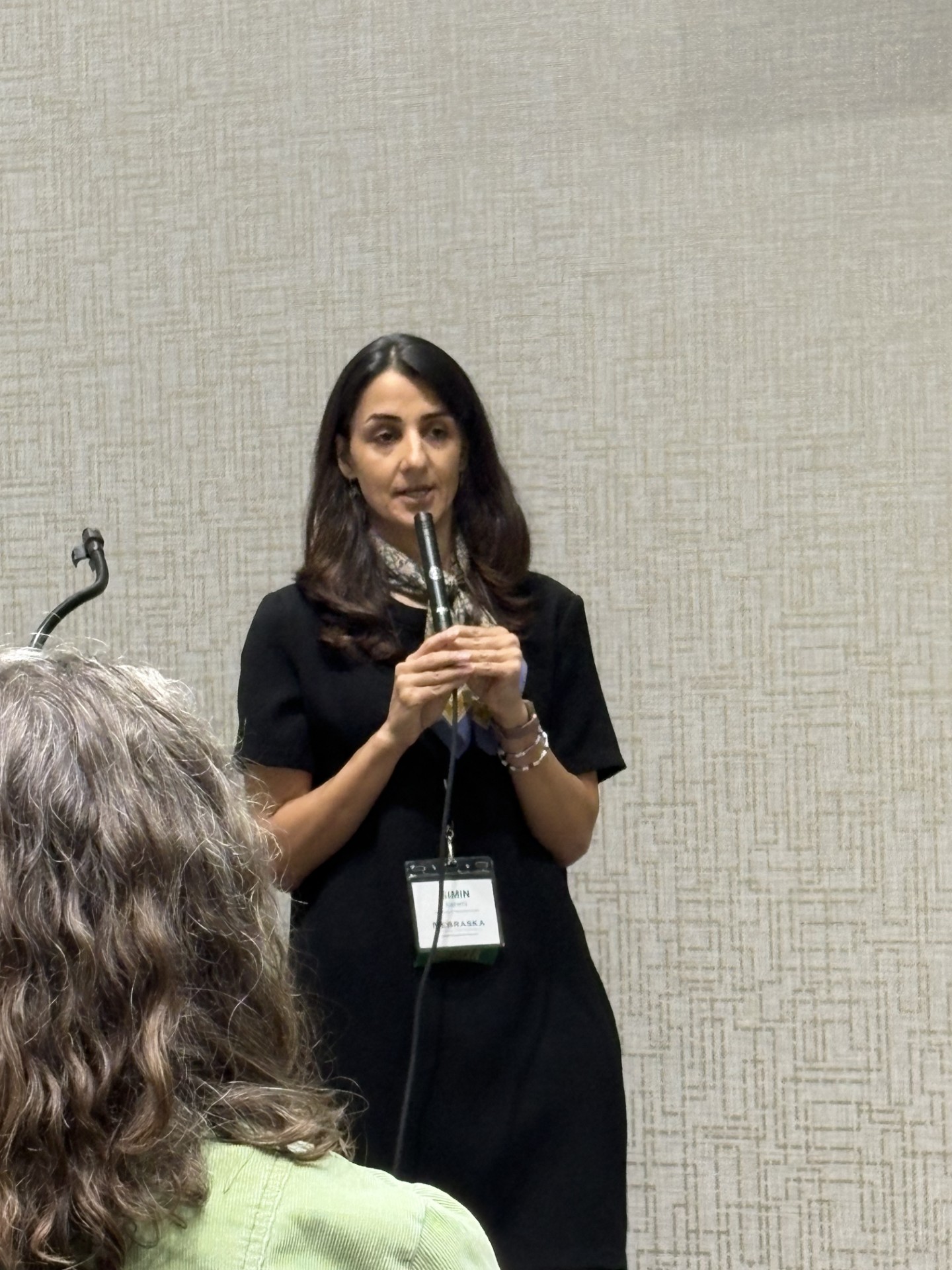
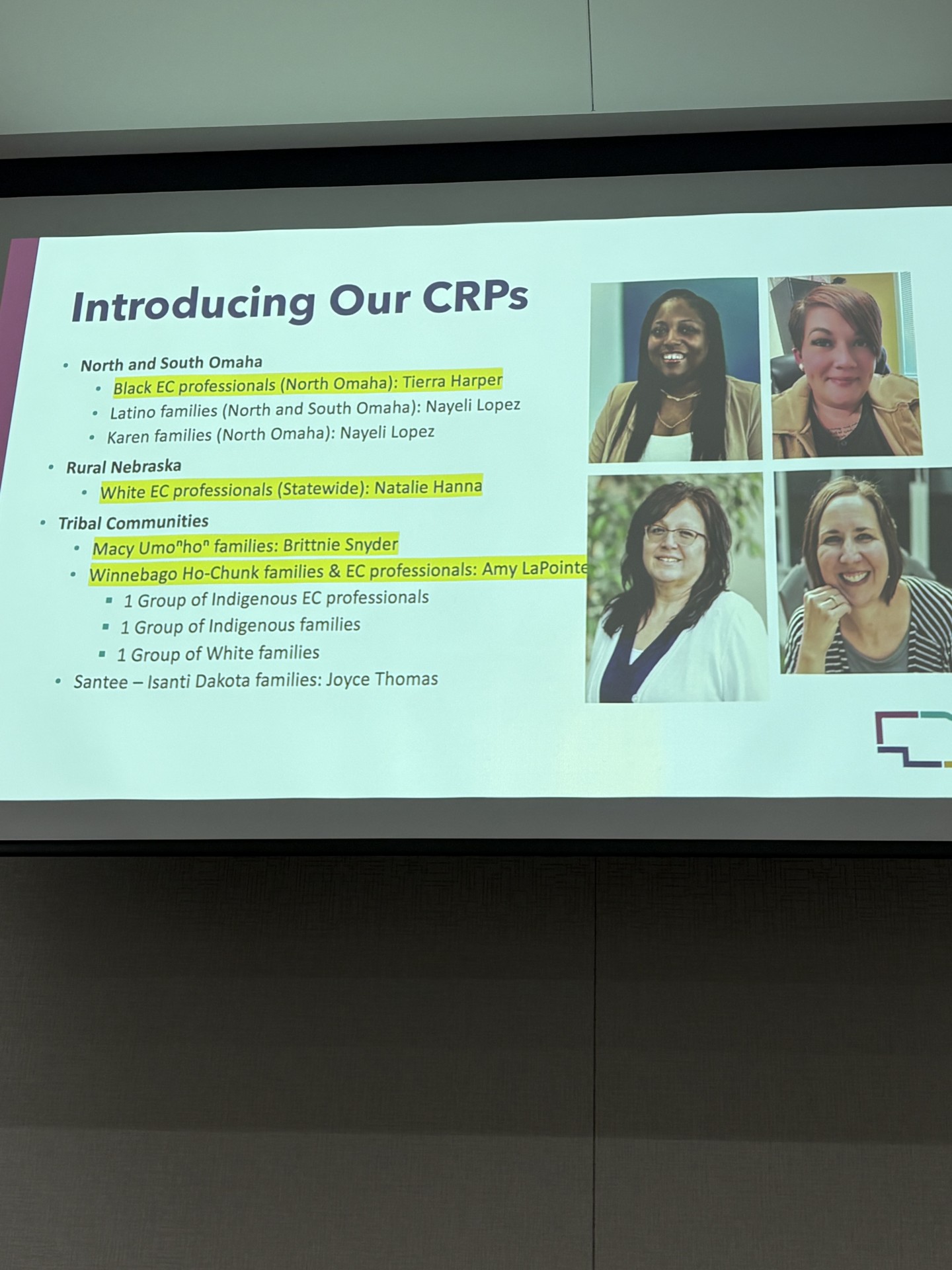
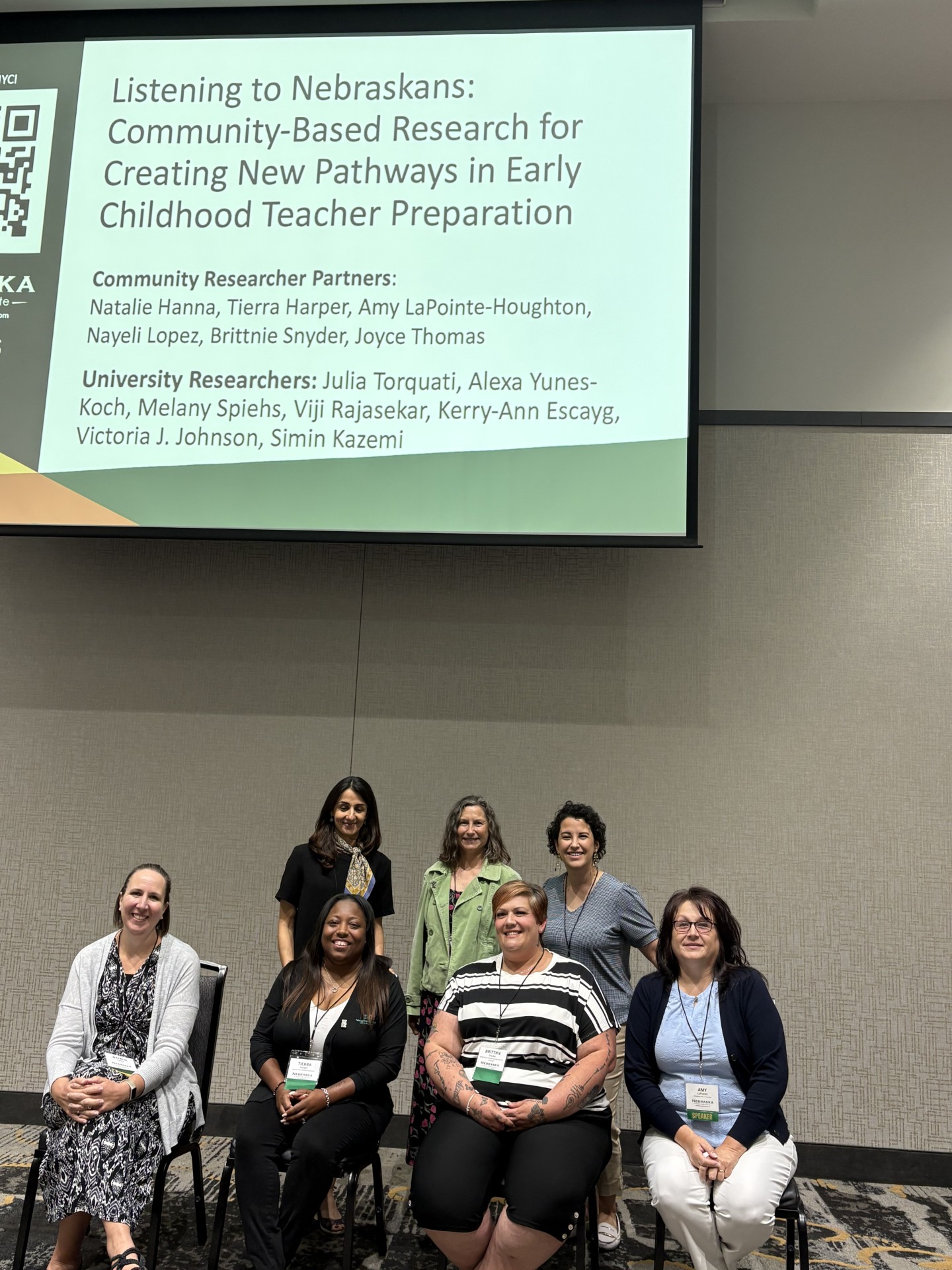
In June 2026, RESPECT research team members Simin Kazemi Azghadi and Alexa Yunes Koch, alongside community researcher partners Tierra Harper, Amy LaPointe, Natalie Hanna, and Brittnie Snyder, presented at the Nebraska Young Child Institute Conference. Representing communities across North and South Omaha, Rural Nebraska, and Nebraska’s Tribal communities, the team shared their session, “Listening to Nebraskans: Community-Based Research for Creating New Pathways in Early Childhood Teacher Preparation.”
The presentation highlighted one of the RESPECT project’s core commitments: partnering with communities to ensure that the voices and experiences of early childhood educators across Nebraska directly inform the development of more accessible, responsive, and equitable pathways into the profession. By sharing their collaborative community-based research approach, the presenters demonstrated how meaningful partnerships can strengthen educator preparation and better meet the needs of Nebraska’s diverse communities.
The presentation highlighted RESPECT’s community-based participatory research approach, which brings university researchers and community partners together as collaborators throughout the research process, from recruiting participants and facilitating focus groups to interpreting findings and identifying priorities for action. Together, they shared insights gathered from diverse communities across Nebraska, representing both geographic and cultural perspectives.
Conference attendees learned about the strengths and resources communities identify for supporting young children and families, the experiences children need to thrive, and the knowledge, skills, and personal qualities communities believe are essential for early childhood educators. The session also explored common themes and unique perspectives across communities, demonstrating how locally grounded research can inform more responsive and equitable pathways into the early childhood profession.
Presenting alongside community researcher partners reflects the RESPECT project’s commitment to authentic collaboration and shared leadership. By elevating community expertise, this work continues to strengthen partnerships and ensure that future teacher preparation pathways are informed by the lived experiences and priorities of the communities they are designed to serve.

Community Engagement
All focus group data have been coded and themes identified. Our next step is to share and discuss our findings with participating communities and identify actionable steps that can be taken to support early childhood educators and young children and families. During August and September, we will meet with community researcher partners to plan community sharing events.
Student Experiences & Supports
A manuscript authored by Victoria Johnson, Simin Kazemi, Alexa Yunes-Koch, and Julia Torquati summarizing our findings is under review for the Journal of Early Childhood Teacher Education. The paper examines supports and obstacles early childhood professionals experienced while pursuing degrees and certification, and how they perceive and navigate their educational and professional pathways.
Assessments
Three students completed the newly-designed Prior Learning Assessment (PLA) and earned credit for prior learning for the Infant and Toddler Foundations course. The Assessments workgroup used feedback from the instructor and another faculty evaluator to refine the PLA process. A second PLA is being designed to assess competencies related to preschool child development.
Apprenticeships
The past Spring term was pretty quiet with apprentices continuing to take classes, meet with their mentors, and work through the competencies. We submitted our Spring term report to the TEACH National Center which included the following data points:
- 62.5 credits taken
- 11 A grades of 17 classes
- 6,427.45 hours of on-the-job training
Competencies most addressed during this time frame include:
- Standard 1: Child Development & Learning
- Standard 4: Developmentally, Culturally, and Linguistically Appropriate Teaching Practices
- Standard 5: Knowledge, Application, and Integration of Academic Content in the Early Childhood Curriculum

- Visit our website regularly for the latest news and updates on the RESPECT project.
- Access meeting recordings, notes and other resources from the workgroups through the RESPECT Teams channel.
- View the project personnel directory.
Contact
If you have any questions, are interested in joining the project or one of our workgroups, email our project coordinator at respectnebraska@unl.edu.