This fall, the RESPECT Across Nebraska project continued to strengthen pathways for early childhood educators through community building, cross-institution collaboration and innovative approaches to recognizing educator expertise. Below are highlights from the past quarter and a deeper look at one of our most significant milestones.
COMMUNITY HIGHLIGHT: RESPECT SCHOLARS FALL RETREAT
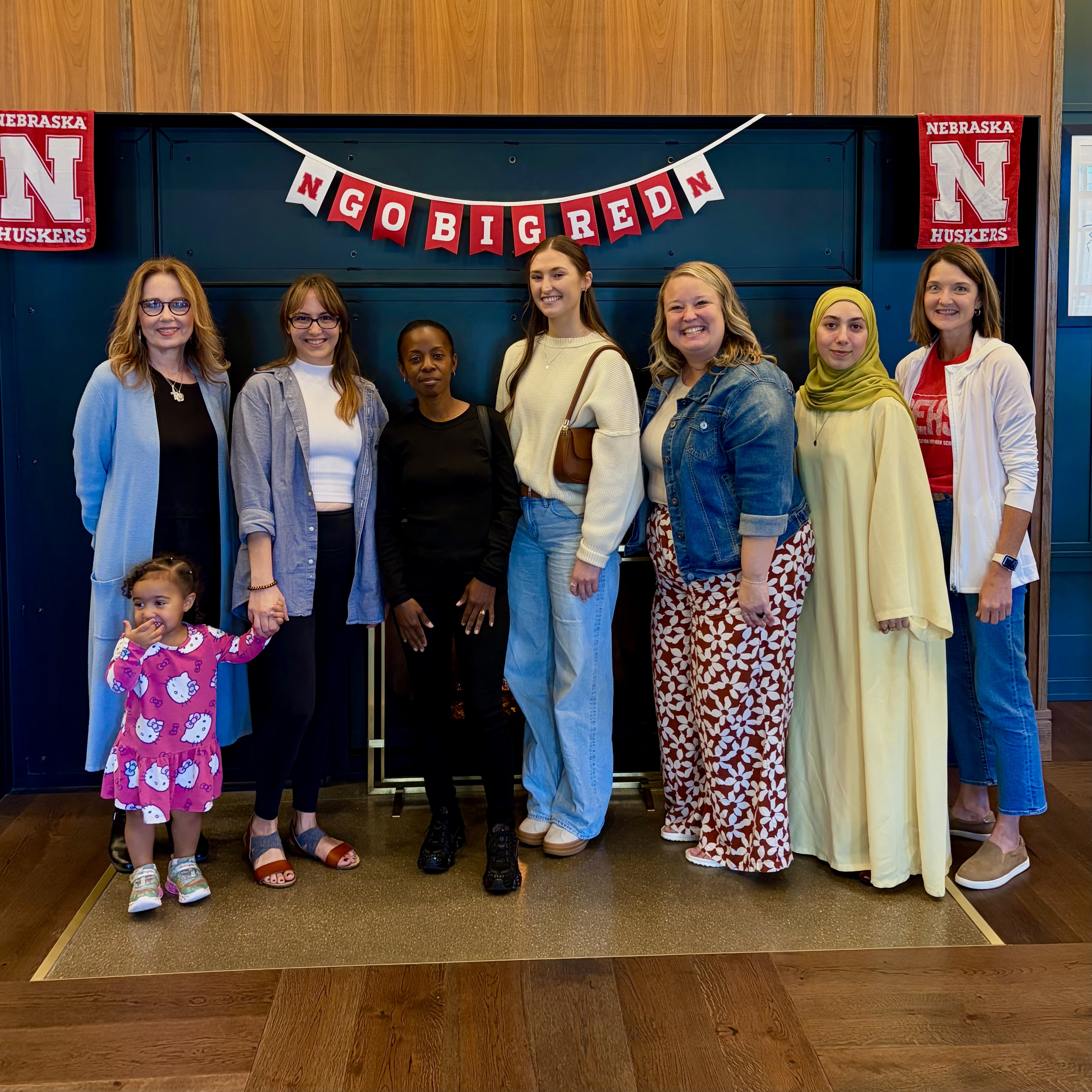
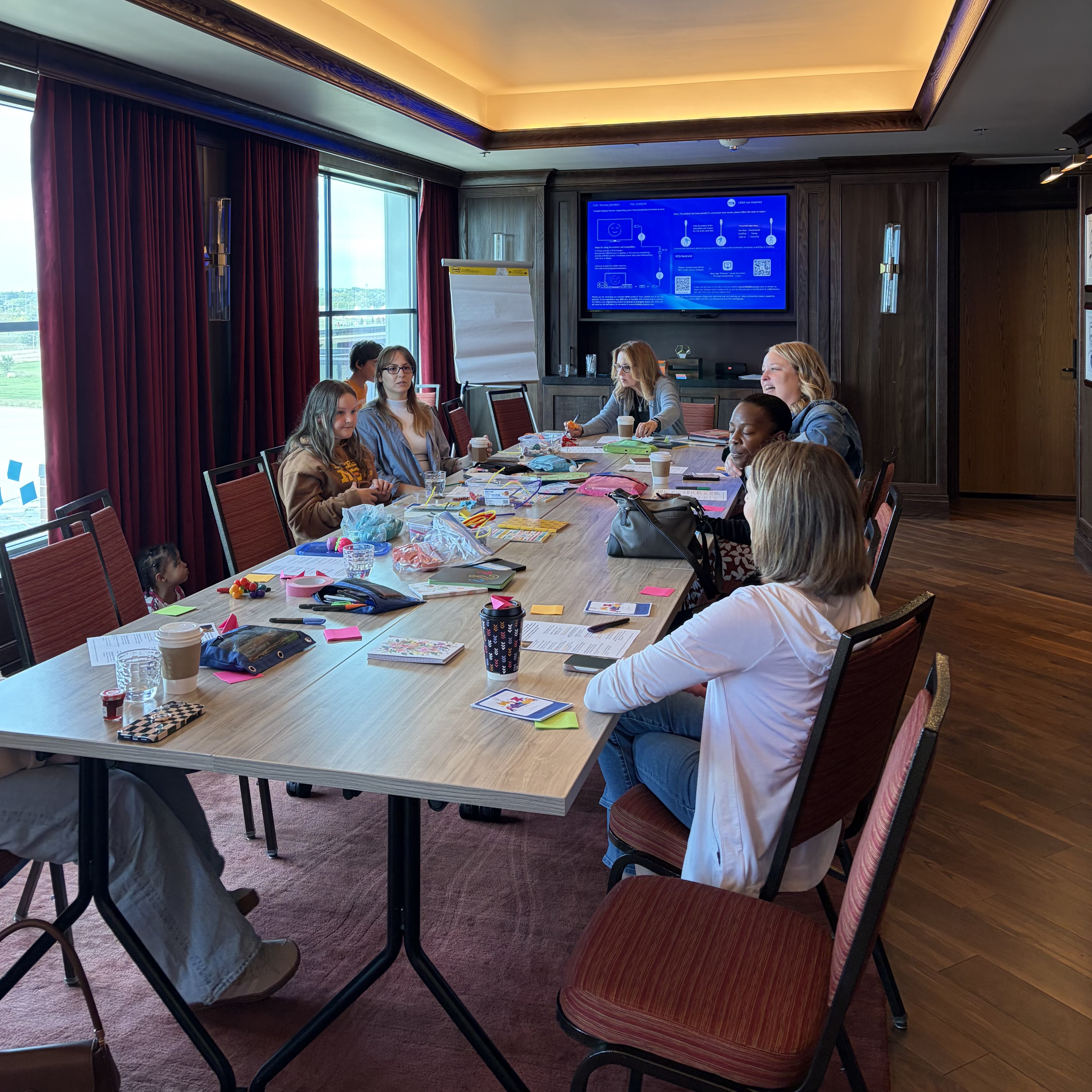
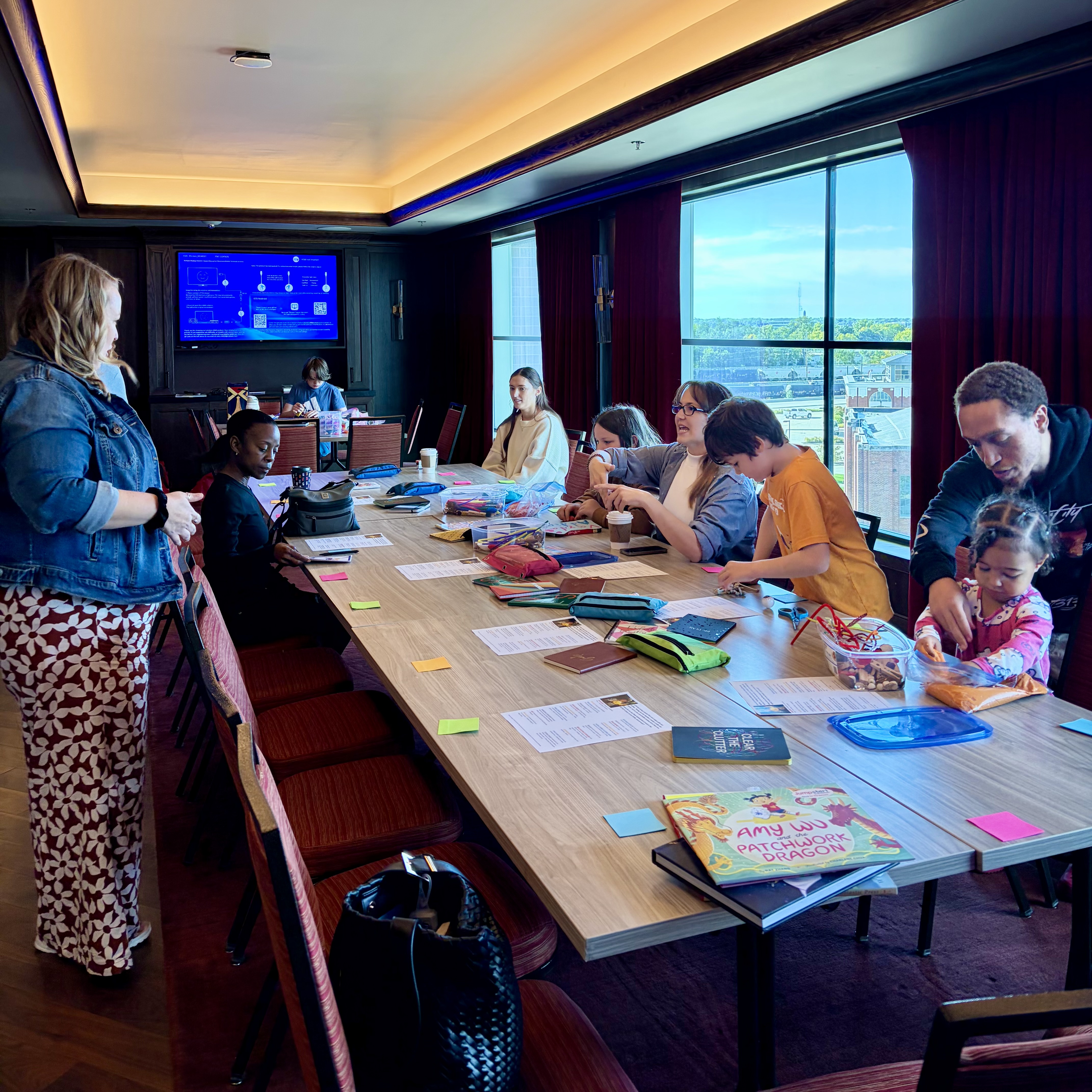
The RESPECT Across Nebraska project joyfully celebrated another successful year of the RESPECT Scholars Program at the Fall Retreat on Oct. 17 in Lincoln. This special gathering brought together the 2024–25 scholars, their families, and program staff for an afternoon of connection, recognition and community building. Scholars and families had the opportunity to meet one another, share stories and reflect on the collective effort that makes their progress possible.
Throughout the retreat, scholars spoke openly about both their accomplishments and the challenges they navigated over the past year. Many described a deep sense of pride in staying committed to their goals while balancing work, school and family life. One scholar shared that they were especially proud to be an example for their adult children —reminding them that if they can do it, their children can too. The retreat served as an inspiring reminder of the strength, resilience and shared support within the RESPECT community.
BRINGING PARTNERS TOGETHER: Pathways to Possibilities Conference
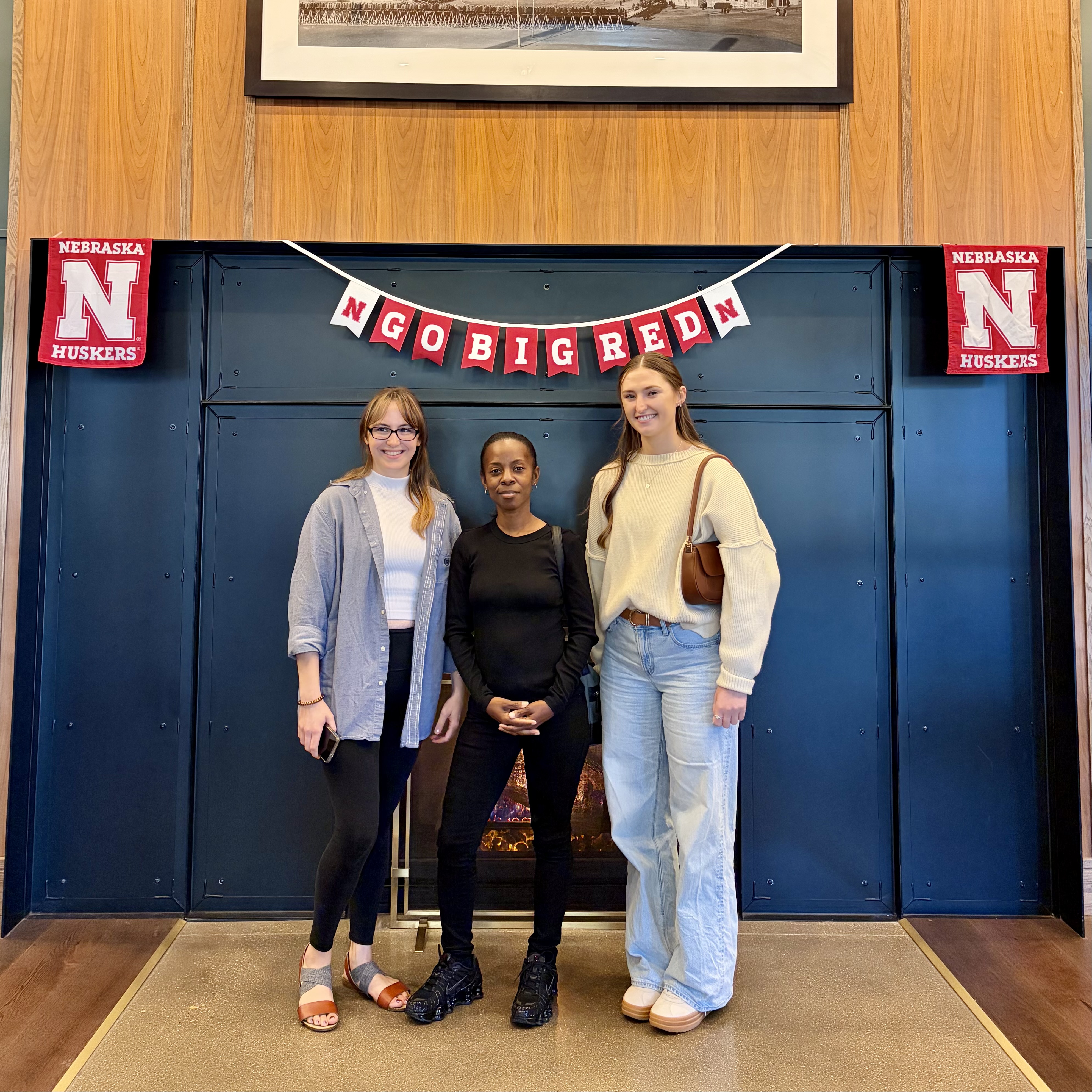
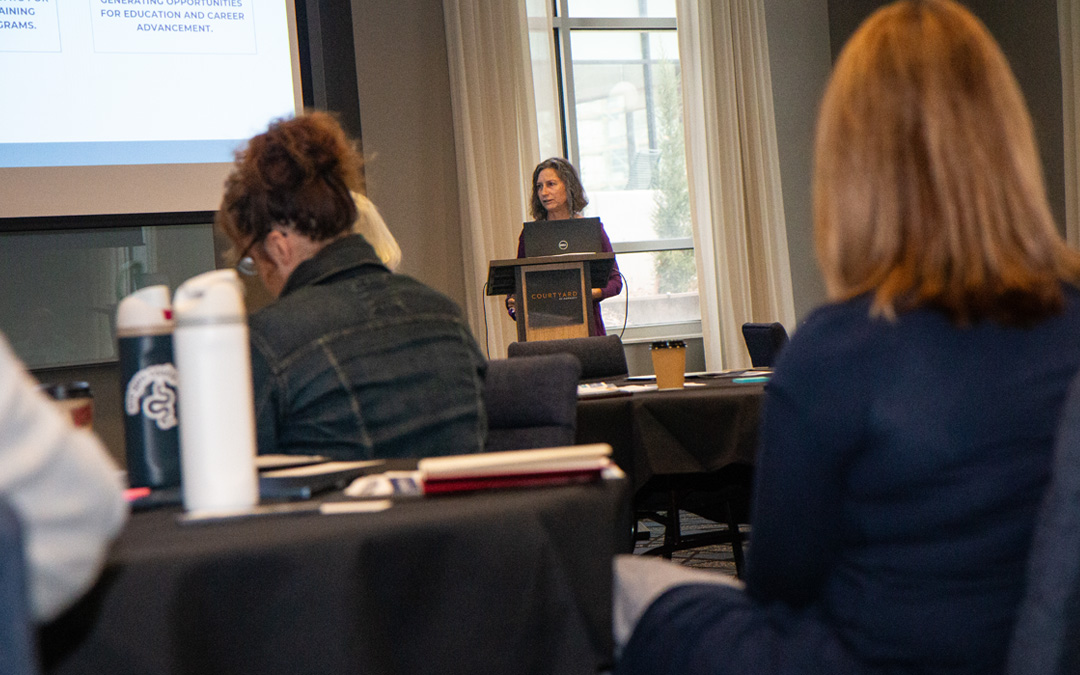
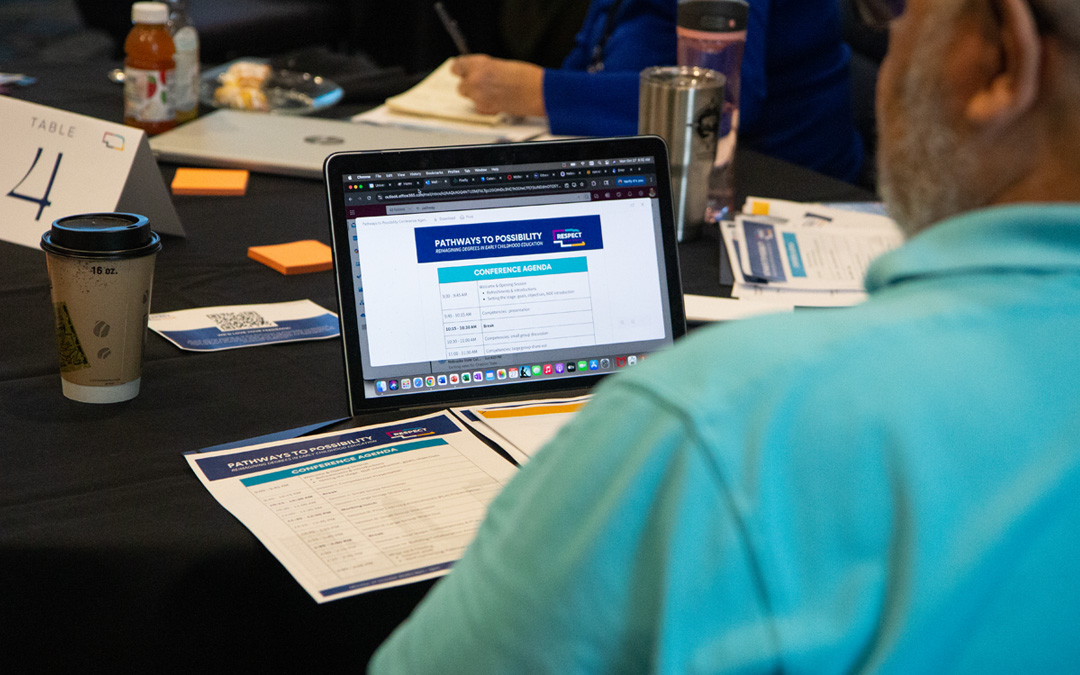
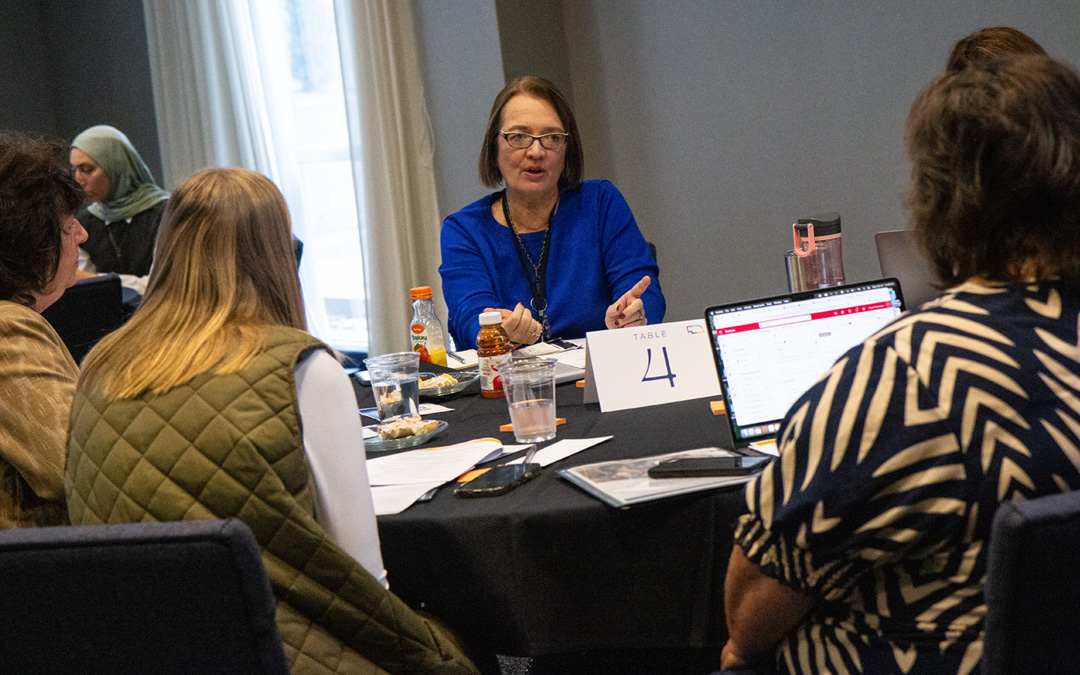
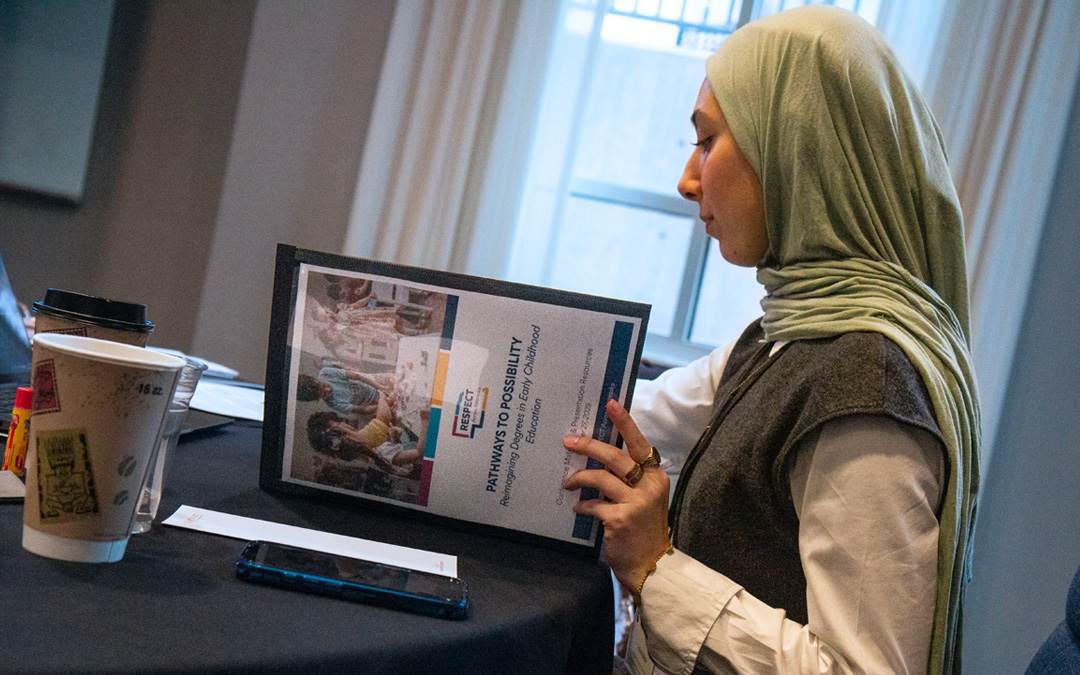
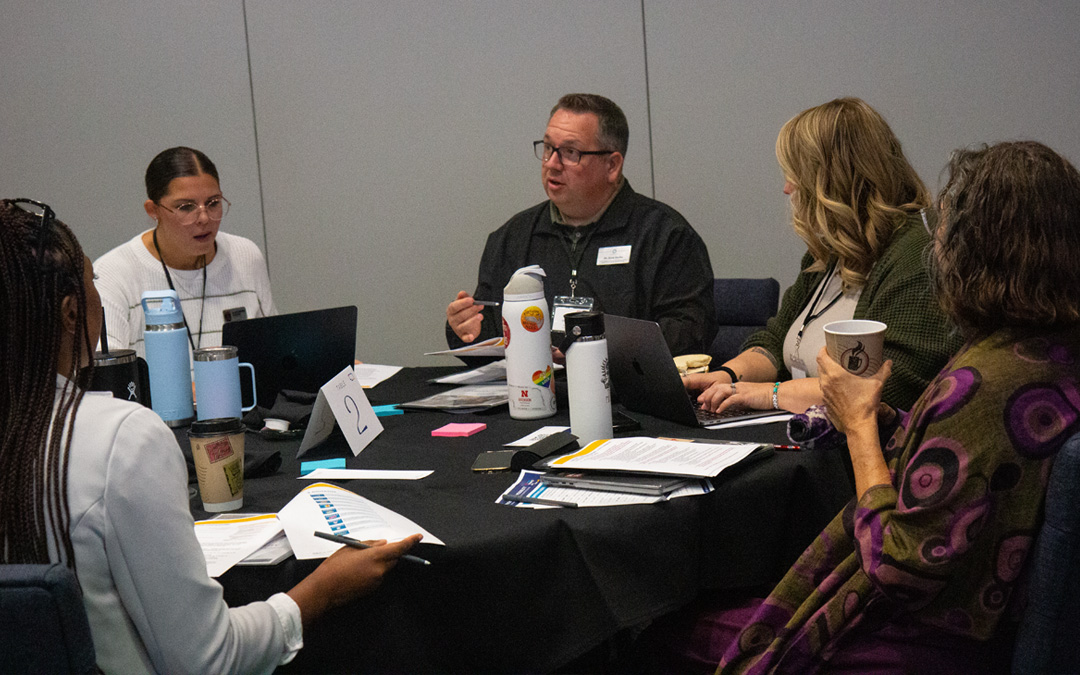
On Oct. 27, RESPECT Across Nebraska hosted the “Pathways to Possibilities: Reimagining Degrees in Early Childhood Education Conference,” bringing together higher education faculty and institutional leaders from across the state. The convening created space for participants to share challenges, exchange best practices, and collaborate on strengthening the preparation and support of Nebraska’s future early childhood educators.
A key focus of the conference was the introduction of the project’s new Prior Learning Assessments (PLA) manual and the RESPECT-developed Competencies Framework. Participants engaged in thoughtful discussions about how these tools can promote clarity, consistency and accessibility across educator preparation pathways. Conversations reflected a shared commitment to building more equitable, effective and connected systems for early childhood professionals.
Learn more about the Prior Learning Assessments work in our Newsletter Spotlight below.

Prior Learning Assessments
This quarter marks an exciting milestone for the RESPECT Across Nebraska initiative with the release of the first portfolio-based Prior Learning Assessment (PLA) manual for CYAF 371: Toddler and Infant Methods. Developed by the RESPECT assessment workgroup and guided by Nebraska’s joint competency framework, this new manual represents a major step toward creating more accessible and flexible pathways for early childhood (EC) educators working toward their degrees.
Why Prior Learning Assessments Matter
EC professionals bring years of experience to their work — through hands-on practice, coaching, professional development and community involvement. Yet many have not received formal academic credit for this learning. As a result, they often repeat course content they already use daily in their classrooms and programs, all while balancing full workloads and family responsibilities.
PLAs help address these barriers by offering a structured way for students to earn college credit for demonstrated college-equivalent learning acquired outside the traditional classroom. This approach:
- Recognizes and validates the expertise of the EC workforce.
- Reduces financial and time-related barriers to degree completion.
- Supports career mobility without requiring educators to step away from their jobs.
- Strengthens Nebraska’s pipeline of qualified early childhood educators.
What’s Inside the PLA Manual
The CYAF 371 PLA Manual provides clear guidance to help students determine whether a PLA is a good fit and how to build a strong portfolio. Key components include:
Overview of the PLA Process
- Eligibility criteria.
- Steps for determining fit and submitting a PLA request.
- Required documentation (resume, cover letter, advisor review).
- How faculty, advisors and navigators support students throughout the process.
Connection to Nebraska’s Competency Framework
Each course learning outcome is aligned to statewide EC competencies, including relationships, behavior, child development, reflective practice, work with families, special education, and equity and culture. This ensures consistency, rigor and clarity across institutions.
Portfolio Structure and Evidence Requirements
To demonstrate competency, students prepare three types of evidence:
- Discussion Responses – reflections that describe their understanding of each learning outcome and the real-world experience behind it.
- Direct Evidence (required) – lesson plans, classroom observations, videos, work samples or detailed descriptions that clearly link to specific competencies.
- Indirect Evidence (optional) – training certificates, letters of support, job evaluations, awards or observation data, which can earn up to six bonus points.
Grading and Review
Portfolios are evaluated by a faculty-led committee using a competency-aligned rubric. Students demonstrating at least 75% proficiency earn course credit, while those scoring 65–74% may revise and resubmit, ensuring the process remains both rigorous and supportive.
Sharing the Framework at Pathways to Possibility
The PLA framework and manual were showcased at the “Pathways to Possibility” convening in October, where faculty, higher education partners and community stakeholders explored how PLAs can:
- Honor the many ways early childhood educators learn and grow.
- Promote competency-based assessment across institutions.
- Reduce unnecessary barriers while maintaining high standards.
- Provide consistent supports, including faculty seminars and navigator guidance.
- Strengthen the EC educator pipeline and improve degree-completion pathways.
Participants also discussed implementation needs, faculty capacity, potential challenges and long-term sustainability.
What’s Next
The CYAF 371 PLA will be piloted this spring. A small group of EC professionals is currently reviewing the manual to provide feedback on clarity, workload and usability. Their insights will help refine the manual ahead of a full rollout.
As Nebraska continues to widen and strengthen pathways into the early childhood field, this PLA pilot offers an innovative model for recognizing the knowledge and skills educators already bring — and for making higher education more equitable, attainable and aligned with the realities of today’s workforce.

Community Engagement
Analysis of focus groups is underway, identifying shared priorities and unique perspectives on what young children need to thrive and what early childhood educators should know and be able to do.
Student Experiences & Supports
Analysis of early childhood educator interviews (n=13) is complete, with a final report forthcoming and a manuscript planned for submission to a peer-reviewed journal.
Assessments
A competency-based assessment format has been developed and piloted with educators; a course-level pilot is planned for the spring semester.
Competencies
The RESPECT Competencies Framework has been refined to reduce redundancy and improve clarity and is aligned with NDE Rule 24 and InTASC standards.
Apprenticeships
Ten apprentices and ten mentors across Nebraska participated in orientation, mentorship and professional development, completing 401.5 credits and over 18,000 on-the-job training hours during the first year of the apprenticeship program. Mentors guided apprentices in building skills, relationships and NAEYC-aligned competencies while apprentices attended community colleges statewide.

- Visit our website regularly for the latest news and updates on the RESPECT project.
- Access meeting recordings, notes and other resources from the workgroups through the RESPECT Teams channel.
- View the project personnel directory.
Contact
If you have any questions, are interested in joining the project or one of our workgroups, email our project coordinator at respectnebraska@unl.edu.